


How the Real Estate Industry is Being Affected by Technology
The real estate sector has a reputation for being sluggish to adopt new technologies. But in the past ten years, this view has drastically changed. The way properties are purchased, sold, and managed has changed as a result of technology’s incorporation into real estate operations. Technology is revolutionising the sector by improving consumer experiences, optimising workflows, and changing the entire landscape—from virtual tours to big data analytics. We’ll look at some of the major digital developments that are transforming the real estate market in this blog post.
- Augmented and virtual reality
The way that prospective purchasers engage with properties is being revolutionised by Virtual Reality (VR) and Augmented Reality (AR). From the comfort of their own homes, purchasers can take virtual tours of multiple homes instead of physically visiting them. Virtual reality (VR) enables customers to tour properties in a three-dimensional setting, giving them a sense of the area without having to be there in person. For instance, a lot of real estate brokers now provide their clients with VR headsets so they may view houses as though they were physically present. Both buyers and agents can save time by using this technology, which also helps to reduce options before in-person meetings. By superimposing digital data over the real environment, augmented reality (AR) goes one step further. Using virtual staging, prospective buyers can preview how a house would appear after improvements or even see it furnished with furniture and other furnishings via cellphones.

- Analytics and Big Data
Data-driven decision-making is becoming more and more crucial in the real estate industry. The emergence of big data enables buyers, investors, and agents to evaluate enormous volumes of data and come to well-informed conclusions. Stakeholders can obtain insights into buyer preferences, property values, and market trends by utilising analytics. Predictive analytics, for example, can assist real estate brokers in identifying neighbourhoods with growth potential or the ideal moment to sell a house. A thorough understanding of the industry is offered by platforms that compile information from multiple sources, including social media, economic statistics, and regional demographics. Better pricing strategies and more smart investments may result from this information.

- Online Marketplaces and Listings for Real Estate
How properties are marketed and sold has undergone a significant transformation due to the emergence of online platforms. Property listings on websites like Realtor.com, Redfin, and Zillow have become comprehensive databases that are available to anybody with an internet connection. These websites offer comprehensive details about properties, such as images, summaries, past prices, and demographics about the area. These websites also include sophisticated search options that let buyers narrow down houses according to particular standards like location, price range, square footage, and amenities. Customers can make well-informed selections more quickly and effectively because to this convenience.
These platforms help real estate brokers by exposing them to a larger audience. Agents can increase the likelihood of a successful sale by showcasing homes through virtual tours, excellent photography, and focused advertising campaigns, all made possible by online marketing tools.
- Technology for Smart Homes
The use of smart home technology by purchasers and homeowners is growing in popularity. A property’s convenience and energy efficiency are increased by features like home automation systems, security systems, lighting controls, and smart thermostats. Therefore, smart technology-equipped homes tend to attract more potential purchasers.During showings, real estate agents can draw attention to these amenities and stress the modern conveniences and increased value that smart home technology provides. Furthermore, as many buyers are prioritising energy efficiency, homes equipped with smart technology can have an advantage over other properties in the market.

- Real Estate Transactions and Blockchain
In the real estate industry, blockchain technology is becoming more and more popular since it makes transactions easier and increases transparency. Blockchain can make property transactions safe and effective by generating an immutable, decentralised ledger. Blockchain technology’s smart contracts feature enables automated, self-executing contracts between buyers and sellers. Through the reduction of paperwork and the mitigation of fraud risk, this technology can expedite the closing process. Utilising blockchain technology can help expedite and lower the cost of title searches by increasing accessibility to property ownership records.
Furthermore, tokenising real estate assets with the aid of blockchain can enable investors to purchase and sell fractional shares of buildings. This increases accessibility to real estate investing and democratises it for a wider group of investors.
- Software for Property Management
Although it has always taken a lot of effort, technology is also altering the property management industry. With its ability to streamline operations and enhance tenant relations, property management software has become an indispensable tool for landlords and property managers. Tasks including rent collection, maintenance requests, and tenant screening are automated by these software systems. They give landlords the resources they need to effectively manage several properties, which lessens the work associated with administration and increases cash flow.
Additionally, a lot of property management systems provide tenant portals that let tenants request repairs, pay rent online, and quickly get in touch with management. In addition to improving the tenant experience overall, this promotes goodwill between landlords and tenants.
- Improved Relationship Management and Communication
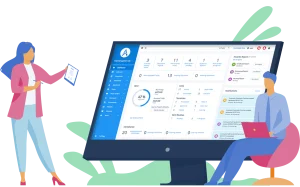
Additionally, technology has enhanced communication in the real estate sector. Agents may track conversations, handle prospects, and automate follow-up chores with the help of customer relationship management (CRM) software designed specifically for real estate professionals. With the use of these technologies, agents may provide clients individualised experiences that guarantee prompt follow-ups and contact. Agents may design customised campaigns based on customer preferences thanks to integrated marketing tools, which raises lead conversion rates.
In summary,
The real estate sector is undergoing a radical transformation because to technology, which is making it more transparent, customer-friendly, and efficient. Innovations in big data analytics, smart house technologies, blockchain, and virtual reality tours are revolutionising the way real estate is promoted, sold, and managed.
Adopting these technological advancements will be essential for real estate professionals who want to remain competitive as the business develops. Stakeholders can improve the purchasing and selling experience, make wise decisions, and eventually spur growth in the ever-changing real estate market by utilising technology.