


The smooth connection between hardware and software is frequently taken for granted in today’s technologically advanced society. Firmware is a crucial component that enables these connections, whether it’s a smartphone booting up, a printer getting instructions, or a smart thermostat regulating room temperature. Firmware ensures that higher-level programs (software) and hardware (hardware) function in unison by acting as a bridge between them. This blog article explores firmware’s function, significance, and development in the current technological environment.
Firmware: What is it?
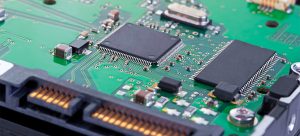
One particular kind of software that is directly integrated into hardware devices is called firmware. Firmware is essential to a device’s operation and is stored in non-volatile memory, like flash memory, as opposed to general-purpose software, which may be installed or removed. Firmware is essentially the hardware’s instruction manual; it teaches the device what to do and how to communicate with other parts and software.
Firmware examples include:
Computers’ Basic Input/Output System, or BIOS
The smartwatch’s operating system
The washing machine’s control system
The firmware in printers and USB drives
Firmware plays a crucial part in making sure devices function as intended, even though it may not be as obvious or customisable as standard software.
The Link Between Hardware and Software
It helps to conceive of software as a device’s intellect and hardware as its body in order to comprehend the function of firmware. Firmware ensures good communication between the two by acting as a nervous system. Let’s divide this position into its main duties:
1. Encouraging Interaction
The crucial code that enables communication between hardware and software is provided by firmware. Firmware converts physical input, such as pressing a key on your keyboard, into a digital signal that your operating system can comprehend. Software programs couldn’t communicate with hardware elements like processors, sensors, or motors without firmware.
- Hardware Control
Hardware parts are frequently specialised and made to perform particular functions, such processing data, presenting graphics, or managing motion. The operating code that tells hardware how to carry out these functions is called firmware. Firmware, for instance, controls how ink is applied to paper and how a printer reacts to user input.3. Giving Instructions Particular to a Device
Firmware is customised for individual devices, guaranteeing efficiency and compatibility. Firmware is specifically made for the hardware it runs on, as opposed to general-purpose software that can work on several devices. The gear will function at its best thanks to this particular.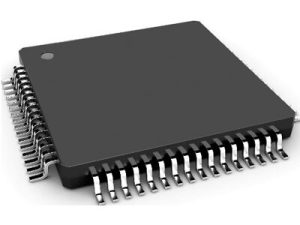
Firmware Types
Depending on the device’s complexity and function, firmware can take many various forms; it is not a one-size-fits-all solution.
1. Firmware at a low level
Low-level firmware is frequently unchangeable and functions in close proximity to the hardware. For instance, your TV remote control’s firmware is pre-installed to manage routine functions like channel switching and doesn’t alter.
2. Advanced Firmware
High-level firmware can frequently be changed and interacts with software more dynamically. For example, to address bugs, enhance performance, or add features, the firmware in a smartphone or game console is updated on a regular basis.
- Firmware that is embedded
Cameras, microwaves, and medical equipment are examples of standalone devices that have embedded firmware. It guarantees that these gadgets carry out their essential tasks without the need for an external operating system.

The Significance of Firmware
Firmware is an essential component that makes sure hardware and software function together seamlessly; it is more than just a layer of code. Firmware is necessary for the following reasons:
1. Initialisation of the Device
When a device is turned on, firmware is in charge of starting up the hardware. For instance, before the operating system takes control, the BIOS in computers initialises hardware elements such as the CPU, RAM, and storage drives.
2. Enhanced Efficiency
Hardware performance is guaranteed via customised firmware. Firmware, for instance, controls data storage and retrieval operations in solid-state drives (SSDs) to optimise speed and dependability.
- Making Upgrades and Updates Possible
Firmware updates, which might introduce new features, boost security, or improve performance, are possible on modern devices. For example, a smart TV’s firmware can be updated to make it compatible with new streaming services.4. Security
Firmware is essential for defending hardware against intrusions or attacks. Malicious software cannot take over hardware components if the firmware is secure.
Firmware in the Contemporary Age
Firmware keeps evolving, getting more complex and powerful as technology progresses. The following are some significant trends influencing firmware’s role:
1. Airborne Updates
Firmware upgrades no longer need to be downloaded and installed by hand. Devices like smartphones, smartwatches, and Internet of Things (IoT) devices can easily obtain firmware upgrades through over-the-air (OTA) updates, which guarantee that they stay current without user intervention.
2. IoT integration
Firmware has gained attention as a result of the Internet of Things (IoT). Firmware is used by gadgets like wearable health monitors, connected cars, and smart home appliances to manage intricate communication with cloud-based systems.
- Improvements in Security
Firmware security is now of utmost importance due to the increase in cyber threats. These days, methods like signed firmware updates and secure boot are widely used to make sure that only validated firmware may be put on devices.4. Artificial Intelligence (AI) Device Firmware
Edge computing devices and other AI-powered hardware mostly rely on optimised firmware to carry out machine learning operations locally, which eliminates the need for cloud computing and enhances real-time performance.
Difficulties in Developing Firmware
Firmware development is difficult for a number of reasons, despite its significance:
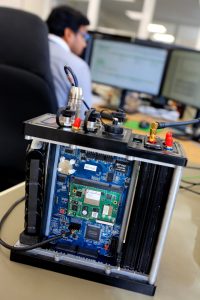
Complexity: Writing firmware necessitates in-depth understanding of both software and hardware, which adds time and resources to development.
Debugging: It might be difficult to identify and address faults in firmware since it functions at a low level.
Compatibility: It might be difficult to make sure firmware functions with different hardware setups, particularly in heterogeneous environments.
Security Risks: Strong security procedures are crucial throughout development since attackers can take advantage of firmware flaws.
Conclusion
The frequently disregarded glue that holds hardware and software together is called firmware. It makes sure that everything in our technologically advanced world runs properly, from setting up devices to facilitating easy communication. Firmware will remain essential as technology develops, especially in cutting-edge domains like edge computing, IoT, and artificial intelligence. Even though there are still obstacles to overcome, continuous advancements in firmware design and security hold up the possibility of even more intelligent, effective, and networked devices in the future. Spend some time appreciating the firmware’s silent labour behind the scenes the next time you turn on your gadget.