


CRM. It’s one of those acronyms that gets thrown around constantly in business conversations — but plenty of business owners nod along without being entirely sure what it means, let alone whether they need one.
Let’s cut through the jargon and give you a straight answer.
What Is a CRM?
CRM stands for Customer Relationship Management. In practice, it’s software that acts as a central record of everyone your business interacts with — customers, prospects, suppliers, partners — and everything that’s happened with them.
Think of it as a shared, intelligent address book combined with a sales pipeline, a task manager, and a communication history — all in one place.
Instead of customer details scattered across spreadsheets, email threads, sticky notes, and the memory of whoever handles sales, a CRM brings it all together so your whole team has a clear, up-to-date picture of every relationship.
What Does a CRM Actually Do?
The specifics vary by platform, but most CRMs handle:
Contact and account management. Every customer, lead, and contact stored in one place, with full history — emails sent, calls made, meetings held, notes taken.
Sales pipeline tracking. A visual view of where every deal is in your sales process, from first enquiry to closed contract. Nothing gets forgotten or falls through the cracks.
Task and follow-up reminders. Automated prompts to chase a prospect, follow up after a proposal, or check in with a customer after onboarding.
Email integration. Many CRMs link directly with Outlook or Gmail so every email to a customer is automatically logged against their record — no manual data entry.
Reporting and forecasting. Real-time dashboards showing your team’s activity, your pipeline value, conversion rates, and revenue forecasts.
Automation. Sending a welcome email when a new lead comes in, notifying a salesperson when a proposal has been opened, or moving a deal to the next stage automatically when a task is completed.
Do You Actually Need One?
Here’s the honest test. If any of the following sounds familiar, the answer is yes: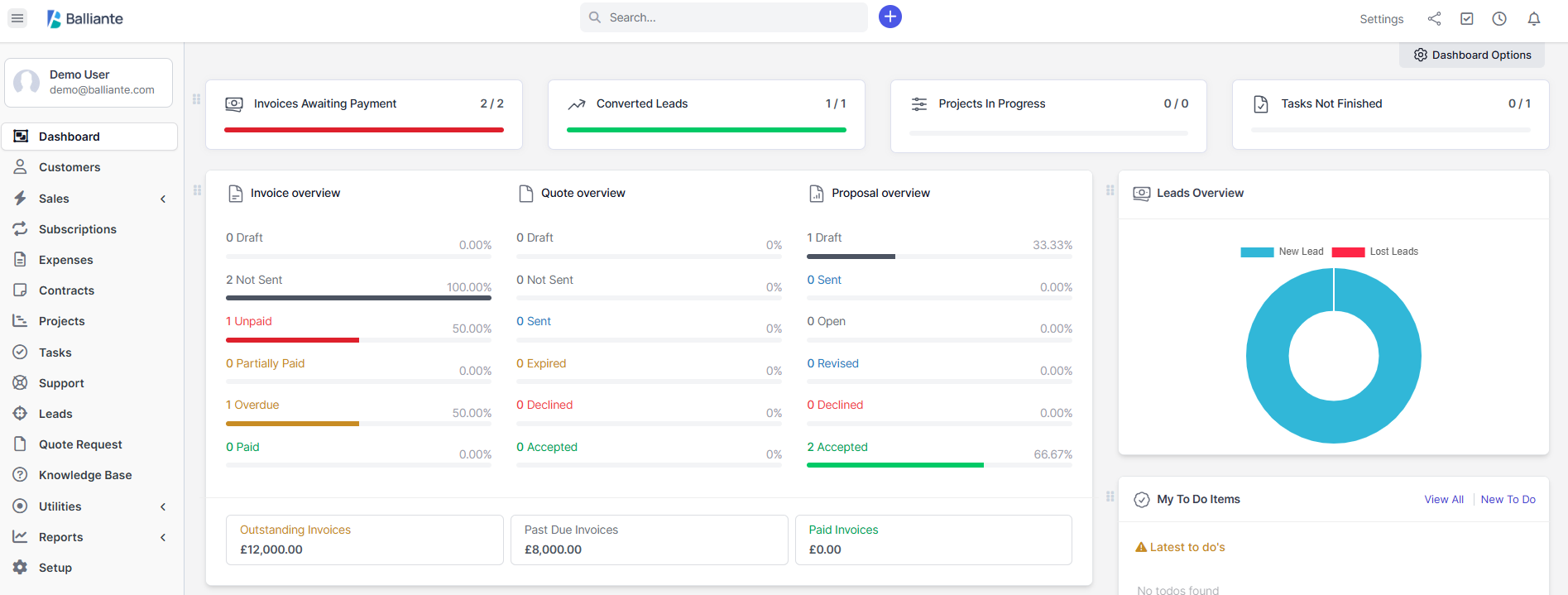
- You’ve lost a customer or missed a follow-up because something got forgotten
- Your sales team carries customer information in their heads or personal email inboxes
- You can’t quickly answer “what’s in our pipeline right now and what’s it worth?”
- When a team member leaves, their customer relationships leave with them
- You’re spending time on tasks that could be automated — chasing invoices, sending the same emails repeatedly, manually updating spreadsheets
If you’re running a business of any meaningful size and managing more than a handful of customers or prospects, a CRM isn’t a luxury. It’s basic operational infrastructure.
“But We’re Managing Fine with Spreadsheets…”
For a very early-stage business, a spreadsheet works. But it has hard limits that become painful quickly:
It doesn’t alert you when to follow up. It doesn’t log your email conversations automatically. It can’t show you which deals are likely to close this month. It breaks when two people try to update it at the same time. And it gives you no visibility when someone is off sick or leaves the business.
A CRM solves all of those problems, and the time it saves usually pays for the subscription within weeks.
Which CRM Is Right for a UK SME?
There’s no single right answer, but here are the most common choices for small and mid-sized UK businesses:
HubSpot CRM — Excellent free tier with strong marketing integration. Good starting point for businesses new to CRM.
Pipedrive — Sales-focused, very visual pipeline view. Popular with service businesses and agencies.
Zoho CRM — Highly customisable and competitively priced. Good for businesses with more complex processes.
Salesforce Starter — The market leader scaled down for SMEs. Powerful but requires more setup and investment.
Capsule CRM — Simple, UK-based, and well-suited to smaller teams who want clean contact management without complexity.
The right choice depends on your team size, your sales process, your existing tools (particularly your email and accounting software), and your budget. Most offer free trials — it’s worth testing two or three before committing.
Where Does IT Support Fit In?
This is where many businesses hit an unexpected wall. Choosing a CRM is one thing; getting it set up, integrated with your other systems, and adopted by your team is another.
Common integration points that need careful configuration include:
- Connecting your CRM to Microsoft 365 or Google Workspace
- Syncing with your accounting software (Xero, QuickBooks, Sage)
- Setting up automations and workflows
- Training staff and managing data migration from spreadsheets or an old system
- Ongoing maintenance, user management, and troubleshooting
This is exactly where a managed IT provider adds value beyond traditional IT support. At Balliante, we help businesses not just keep their technology running but make sure the right tools are in place, properly configured, and actually used.
The Bottom Line
A CRM is one of the highest-return investments a growing business can make. It brings structure to your customer relationships, gives your team visibility, prevents revenue from slipping through the cracks, and frees up time that’s currently lost to manual admin.
If you’re still managing customers on spreadsheets or in email threads, 2026 is a good time to change that — and you don’t need to spend weeks evaluating platforms to do it.
Balliante One is our own CRM built specifically for UK SMEs. It’s straightforward to set up, designed around how small business teams actually work, and backed by our managed IT support so everything integrates seamlessly from day one.
Try it free for 7 days — no commitment, no technical headaches.
Start your free trial of Balliante One →
Balliante is a UK IT managed service provider offering IT support, cybersecurity, cloud services, and technology consultancy for SMEs.